
If you’re serious about improving your website’s search performance, you’ve probably come across Search Metrics, a well-known SEO and content analytics platform. However, many businesses and SEO professionals start looking for a search metrics alternative tools that provide similar insights, greater flexibility, or more competitive pricing.
This comprehensive guide explores why people seek alternatives, highlights the best options currently available, and outlines the key features you should evaluate when choosing an SEO tool.
What is Search Metrics?
Search Metrics is a well-known SEO and digital marketing analytics platform that helps businesses, marketers, and SEO professionals understand and improve their online visibility... Before comparing tools, it's worth stepping back: no analytics platform fixes an unclear strategy. See our guide to digital marketing fundamentals for the strategic groundwork tool selection should follow.
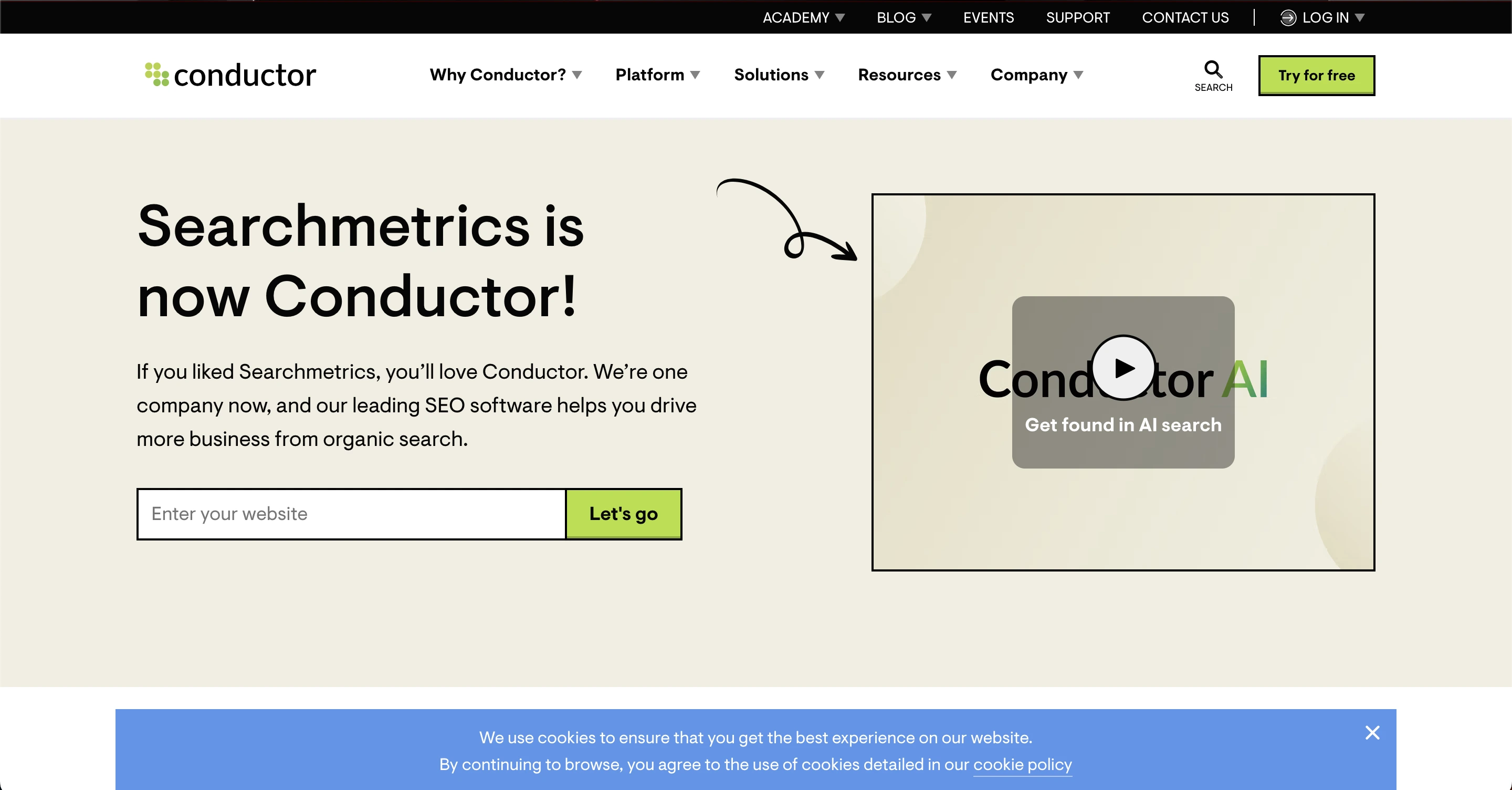 Why Choose a Search Metrics Alternative
Search Metrics is a powerful SEO platform with good data and strong analysis. Still, it’s not the best fit for everyone. There are valid reasons why marketers look for a search metrics alternative:
1. Pricing Considerations
Search Metrics offers advanced features, but its price may be high for small businesses, freelancers, or startups. Many users want a cheaper alternative with similar insights.
2. Simpler Interfaces
Some beginners find Search Metrics complex. They prefer alternatives with layouts that are easier to understand, especially if they are new to SEO tools.
3. Specific Needs
Not all SEO professionals need every feature Search Metrics offers. Some want focused tools for keyword tracking, local SEO, content optimization, or backlink analysis.
4. More Frequent Updates
SEO data changes fast. Some users want platforms that provide quicker data updates or more comprehensive keyword databases.
These reasons lead companies and marketers to seek a good search metrics alternative one that still delivers useful data without unnecessary complexity.
Read Also: OpenFuture AI Review: Features and Use Cases
Top Search Metrics Alternative Tools
Below are some of the best tools marketers are using as a search metrics alternative. These alternatives vary in their strengths some are better at keyword research, others excel in tracking competitors or backlink data.
1. SEMrush
SEMrush is a powerful all-in-one SEO platform and a top alternative to Search Metrics. It offers a wide range of tools for keyword research, backlink analysis, site audits, and competitor tracking, making it ideal for businesses of all sizes. With its intuitive dashboard and detailed reports, SEMrush helps you uncover opportunities to improve your website’s search performance and content strategy.
Additionally, it provides features like position tracking, SEO recommendations, and content marketing insights, giving you a comprehensive view of your online presence. Its versatility and extensive data make it a favorite among SEO professionals who want a robust, reliable tool without the high cost of some other platforms.
Key Features
Keyword Research: Access millions of keyword ideas to identify high-traffic opportunities and optimize your content strategy.
Competitor Analysis: Compare your SEO performance against competitors to discover gaps and growth opportunities.
Site Audit: Detect site errors, broken links, and other SEO issues to improve overall website health.
Rank Tracking: Monitor how your keywords perform over time and measure the effectiveness of your SEO efforts.
Backlink Analysis: Track your link profiles and evaluate the quality of backlinks to strengthen your domain authority.
Pros and Cons
Pros | Cons |
|---|---|
Comprehensive all‑in‑one SEO toolkit | Can be expensive for small businesses |
Excellent keyword research database | Steeper learning curve for beginners |
Powerful competitor analysis features | Interface may feel overwhelming at first |
Detailed site audits and actionable recommendations | Some advanced features require higher‑tier plans |
Reliable rank tracking and reporting | Data limits on lower subscription levels |
Why It’s a Good Alternative
SEMrush has a large database, frequent updates, and tools for almost every SEO need. If you need a complete search metrics alternative, SEMrush is worth considering.
2. Ahrefs
Ahrefs is a widely used SEO tool, especially known for its powerful backlink analysis and extensive keyword research capabilities. It allows users to explore competitor link profiles, identify content gaps, and discover high-performing keywords that can drive traffic to their websites.
Ahrefs also offers site audits, rank tracking, and content analysis features, making it a versatile choice for both beginners and experienced SEO professionals. Its intuitive interface and reliable data make it particularly valuable for those focusing on link-building strategies and competitive research.
Key Features
Keyword Research: Find profitable keywords with detailed metrics like search volume, difficulty, and clicks.
Backlink Analysis: Explore competitor backlink profiles, track new and lost links, and evaluate link quality.
Site Audit: Identify SEO issues and technical errors affecting your site’s performance.
Rank Tracking: Monitor keyword positions over time to measure SEO success.
Content Explorer: Discover top-performing content in your niche to guide your content strategy.
Pros and Cons
Pros | Cons |
|---|---|
Excellent backlink analysis and data | Can be pricey for small users |
Large and accurate keyword database | Limited content/SEO tools compared to all‑in‑one platforms |
Reliable competitor research features | Steeper learning curve for new users |
Intuitive interface with clear metrics | Rank tracking limits on lower plans |
Useful Site Audit and Content Explorer tools | Some features require higher subscription tiers |
Why It’s a Good Alternative
Ahrefs shines in backlink analysis and link building. If your main focus is understanding competitors’ link profiles or finding keyword opportunities, it’s a strong search metrics alternative.
3. Moz Pro
Moz Pro is a well-known SEO platform that stands out for its user-friendly interface and beginner-friendly tools. It offers features like keyword research, site audits, rank tracking, and backlink analysis, making it suitable for small businesses and those new to SEO.
Moz Pro also provides valuable insights through its Domain Authority and Page Authority metrics, helping users gauge the strength of their website and competitors. Its intuitive dashboard and easy-to-understand reports make it a practical choice for teams that want clear guidance without being overwhelmed by complex data.
Key Features
Keyword Research: Discover high-potential keywords and track search volumes and difficulty.
Site Audit: Identify SEO issues, broken links, and on-page optimization opportunities.
Rank Tracking: Monitor how your keywords perform over time and across different regions.
Backlink Analysis: Evaluate your site’s link profile and discover link-building opportunities.
Page & Domain Authority Metrics: Assess website strength and compare with competitors.
Pros and Cons
Pros | Cons |
|---|---|
Easy‑to‑use interface, great for beginners | Smaller keyword database than some competitors |
Helpful beginner SEO tools and guidance | Backlink data not as deep as Ahrefs |
Clear metrics like Domain & Page Authority | Fewer advanced features than all‑in‑one suites |
Useful site audits and actionable insights | Some tools require higher tier plans |
Good customer support and community resources | Can be less suitable for large enterprises |
Why It’s a Good Alternative
Moz Pro balances useful features with a simpler learning curve. For those who want a less technical search metrics alternative, Moz Pro can be a great fit.
4. Ubersuggest
Ubersuggest is a budget-friendly SEO tool designed for beginners and small businesses. It focuses on keyword research, content ideas, and basic SEO analytics, making it an accessible option for those who want actionable insights without the cost of larger platforms.
Ubersuggest also offers site audits, rank tracking, and backlink analysis, helping users identify opportunities to improve their website performance. Its simple interface and clear reporting make it easy for non-technical users to understand SEO data and take actionable steps.
Key Features
Keyword Research: Find profitable keywords and see search volume, competition, and seasonal trends.
Content Ideas: Discover popular topics and content that perform well in your niche.
Site Audit: Identify technical SEO issues and improve site health.
Rank Tracking: Track your keyword positions over time to measure SEO progress.
Backlink Analysis: Review your site’s backlinks and find opportunities for link building.
Pros and Cons
Pros | Cons |
|---|---|
Affordable pricing with basic free plan and lifetime options | Smaller keyword database and less precise data vs top tools like SEMrush/Ahrefs |
User‑friendly interface, easy for beginners to navigate | Free version has tight limits on daily searches |
Useful keyword research and content ideas tools | Backlink analysis not as deep or detailed as premium tools |
Simple site audits with actionable insights | Not ideal for large sites or advanced agency workflows |
Competitor insights and basic rank tracking | Occasional slow loading or data limits reported by users |
Why It’s a Good Alternative
If you need basic SEO data without a large fee, Ubersuggest is one of the best affordable search metrics alternative options.
5. Mangools (KWFinder)
Mangools, which includes KWFinder, is a user-friendly SEO suite designed for simplicity and ease of use. It focuses primarily on keyword research but also offers backlink analysis, rank tracking, and site audits.
KWFinder, its core tool, helps users discover long-tail keywords with low competition, making it ideal for small businesses, bloggers, and beginners. Mangools stands out for its clean interface, intuitive design, and actionable insights without overwhelming users with complex data. It’s a practical option for anyone seeking a straightforward, affordable SEO tool.
Key Features
Keyword Research (KWFinder): Identify long-tail keywords with search volume, difficulty scores, and trends.
SERP Analysis (SERPChecker): Analyze search engine results pages to understand competitor strength.
Backlink Analysis (LinkMiner): Evaluate link profiles, discover backlinks, and assess link quality.
Rank Tracking (SERPWatcher): Monitor keyword positions and track SEO progress over time.
Site Audit (SiteProfiler): Check website health, domain authority, and other SEO metrics.
Pros and Cons
Pros | Cons |
|---|---|
Affordable and cost‑effective SEO toolkit | Lacks advanced features like deep site audits and content optimization |
Very user‑friendly interface, easy for beginners | Smaller keyword & backlink database than premium tools like SEMrush/Ahrefs |
Effective long‑tail keyword research with clear metrics | Daily search limits on lower plans can restrict heavy usage |
Includes basic SERP analysis, rank tracking, and backlink tools | Less suitable for large agencies or complex SEO campaigns |
Responsive customer support and visual data presentation | Data updates and features may be slower or less frequent than top competitors |
Why It’s a Good Alternative
For many small businesses and individuals, Mangools is an effective and easy‑to‑understand search metrics alternative, especially for keyword work.
6. SERPstat
SERPstat is an all-in-one SEO platform that offers a comprehensive set of tools at a competitive price, making it ideal for growing businesses and marketing teams. It provides keyword research, competitor analysis, backlink tracking, site audits, and rank tracking, helping users optimize their SEO strategy efficiently.
SERPstat also includes features for PPC research and content marketing insights, giving a broader digital marketing perspective. Its intuitive interface and scalable plans make it suitable for both beginners and experienced SEO professionals looking for a cost-effective alternative to larger platforms.
Key Features
Keyword Research: Discover high-performing keywords, analyze search volume, difficulty, and trends.
Competitor Analysis: Compare your SEO performance with competitors to identify gaps and opportunities.
Site Audit: Detect technical issues, broken links, and other SEO problems affecting site health.
Rank Tracking: Monitor keyword positions over time and track improvements.
Backlink Analysis: Evaluate backlinks and identify opportunities for link building.
PPC & Content Research: Analyze paid search campaigns and find content ideas for better marketing ROI.
Pros and Cons
Pros | Cons |
|---|---|
Competitive pricing with good value for money | Data depth and freshness can lag behind top tools like SEMrush/Ahrefs |
All‑in‑one SEO features (keyword, audit, rank tracking, backlinks) | Interface can feel cluttered for new users |
Useful PPC and content research tools | Smaller database compared to industry leaders |
Intuitive dashboard with clear reports | Advanced features require higher‑tier plans |
Good for growing businesses and teams | Some tools lack the granular detail power users want |
Why It’s a Good Alternative
SERPstat offers a balance of features and cost, making it a solid search metrics alternative for teams and freelancers.
Comparing Search Metrics Alternatives
Now that you know the top tools, here is how you can compare them effectively:
Feature | SEMrush | Ahrefs | Moz Pro | Ubersuggest | Mangools | SERPstat |
|---|---|---|---|---|---|---|
Keyword Research | ⭐⭐⭐⭐ | ⭐⭐⭐⭐ | ⭐⭐⭐ | ⭐⭐⭐ | ⭐⭐⭐ | ⭐⭐⭐ |
Competitor Analysis | ⭐⭐⭐⭐ | ⭐⭐⭐⭐ | ⭐⭐ | ⭐⭐ | ⭐⭐ | ⭐⭐⭐ |
Backlink Data | ⭐⭐⭐ | ⭐⭐⭐⭐ | ⭐⭐⭐ | ⭐⭐ | ⭐⭐ | ⭐⭐⭐ |
Site Audit | ⭐⭐⭐⭐ | ⭐⭐⭐ | ⭐⭐⭐ | ⭐⭐ | ⭐⭐ | ⭐⭐⭐ |
Ease of Use | ⭐⭐ | ⭐⭐ | ⭐⭐⭐⭐ | ⭐⭐⭐⭐ | ⭐⭐⭐⭐ | ⭐⭐⭐ |
Pricing Value | ⭐⭐ | ⭐⭐ | ⭐⭐⭐ | ⭐⭐⭐⭐ | ⭐⭐⭐⭐ | ⭐⭐⭐⭐ |
Use Cases
Let’s look at why you might choose a specific search metrics alternative:
1. For Small Businesses and Beginners
Tools like Ubersuggest, Mangools, and Moz Pro provide simpler, more intuitive dashboards that are easier for beginners to navigate, and their pricing is generally lower compared to more advanced SEO platforms.
2. For SEO Agencies
SEMrush and Ahrefs are often preferred by SEO professionals because they offer comprehensive data and in-depth insights. Their robust competitor analysis features make them especially valuable for agencies managing multiple clients and seeking actionable strategies.
3. For Content Marketing Teams
Tools with powerful keyword research and content idea features, such as SEMrush and Ubersuggest, enable teams to develop more effective content strategies by identifying high‑traffic topics and optimizing for audience engagement.
4. For Link‑Focused Strategies
Ahrefs’ backlink database is widely regarded as one of the most reliable in the industry. It allows users to identify valuable link-building opportunities and monitor the health of their existing backlinks, helping improve domain authority and overall SEO performance.
5. Local SEO Needs
Tools like Moz Pro and SEMrush provide local rank tracking, making them ideal for businesses that want to monitor SEO performance in specific cities or regions and tailor their strategies to local audiences.
How to Use Your Search Metrics Alternative
Once you choose a tool, use these best practices:
1. Check Rankings Weekly
Rankings can shift. Weekly checks help you spot changes early.
2. Track Competitors
Compare your site with competitors to find keyword gaps.
3. Use Site Audits Regularly
Fix errors quickly to avoid losing visibility.
4. Focus on Relevant Keywords
Pick keywords that match user intent and search volume that aligns with your goals.
5. Review Backlinks Monthly
Identify harmful links early and build new quality links.
Summary
A search metrics alternative is an SEO tool that provides insights similar to Search Metrics but may offer different features, pricing, or ease of use. Businesses and marketers use these alternatives to track keywords, monitor competitors, analyze backlinks, and improve website performance.
Popular alternatives include SEMrush, Ahrefs, Moz Pro, Ubersuggest, Mangools, and SERPstat. Choosing the right alternative depends on your SEO goals, budget, and ease of use. Using the right tool can help boost search rankings, optimize content, and grow organic traffic effectively.
Frequently Asked Questions (FAQs)
What is a search metrics alternative?
A search metrics alternative is an SEO tool that offers similar features to Search Metrics, such as keyword tracking, competitor analysis, content insights, and backlink monitoring.
Why should I use a search metrics alternative?
Some users prefer alternatives due to lower pricing, simpler interfaces, specific features, or faster data updates.
Which are the best search metrics alternatives?
Top options include SEMrush, Ahrefs, Moz Pro, Ubersuggest, Mangools, and SERPstat. Each has strengths in keyword research, backlink analysis, site audits, or ease of use.
How do I choose the right alternative?
Evaluate your SEO goals, budget, required features, ease of use, and reporting capabilities. Testing free trials can help find the best fit.
Can search metrics alternatives replace Search Metrics completely?
Yes, most alternatives provide comparable insights. The choice depends on which features are most important to your workflow.