
Hiring a remote engineer can feel like a big win. You find someone with the right skills, agree on the terms, and finally fill an important role on the team. Many companies see this as the finish line for the hiring process.
In reality, it is only the beginning. During the first few months, a new engineer needs time, support, tools, and guidance before they can work at full speed. Team members spend time answering questions, reviewing work, sharing knowledge, and helping the new hire understand how things are done. These costs often do not appear in hiring budgets, but they still affect time, productivity, and resources.
In this article, we'll share the hidden costs that often appear during the first 90 days of onboarding a remote engineer.
Recruitment and Hiring Expenses Before Day One
Before a remote engineer joins the team, companies usually spend time and money finding the right person. Job listings may be posted on multiple platforms. Recruiters may be involved. Some businesses also pay for technical assessment tools or coding tests to evaluate candidates.
Remote hiring has become more common because many roles can now be done outside a traditional office. In fact, 58% of US workers can effectively do some of their work remotely. 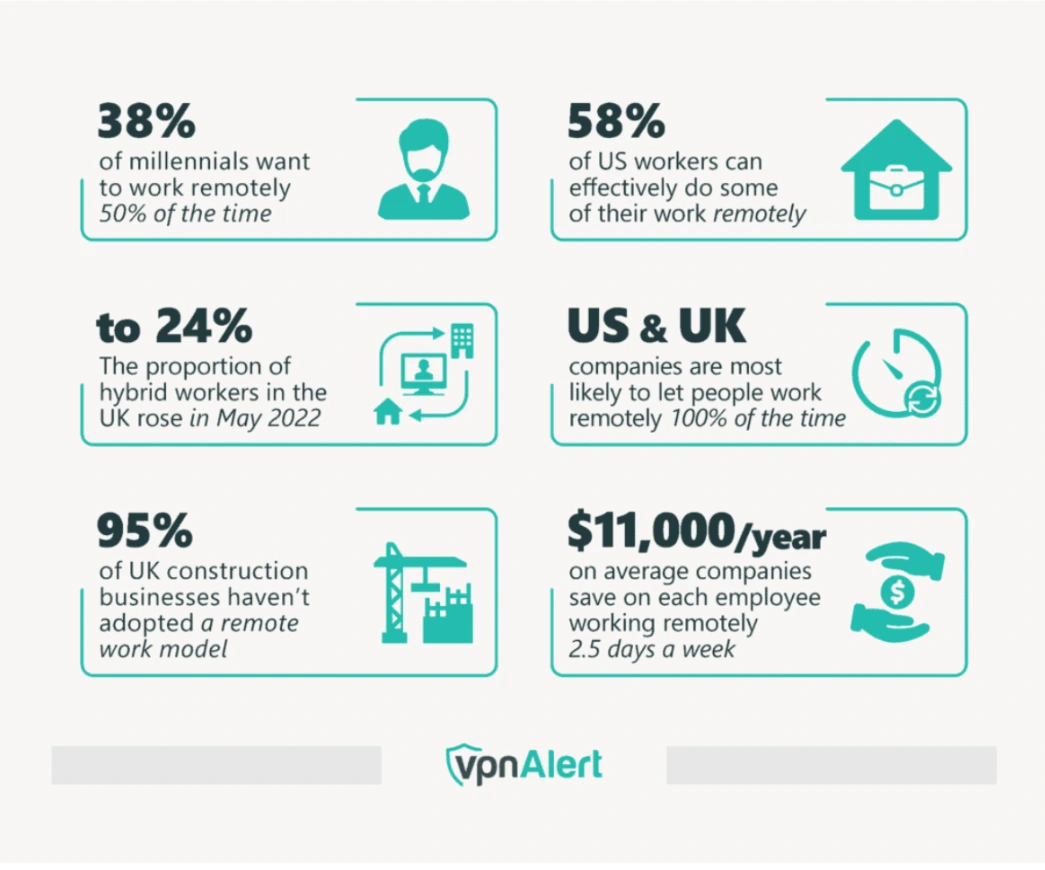 This larger remote talent pool gives companies more hiring options, but it can also add more screening, scheduling, and coordination before a final decision is made.
Many organizations reduce this workload by partnering with specialized recruitment firms that already have access to vetted talent pipelines. For companies exploring nearshore hiring options, working with the best recruitment agencies in Costa Rica can help streamline candidate sourcing and shorten the hiring process.
Michiel Meyer, CEO & Co-Founder at Workwize, said, “Hiring a remote engineer does not end once the offer is signed. The company still has to think about onboarding, access, equipment, and shipping laptops on time, especially when people are joining from different locations. If that setup is delayed, the new hire may spend their first few days waiting instead of doing useful work.”
There is also the time spent by internal team members. Engineering managers, senior developers, HR staff, and founders often participate in interviews and candidate reviews. A single hire may require several rounds of interviews before a final decision is made.
Remote hiring can sometimes add extra work because companies often receive applications from different countries and time zones, but AI recruiting tools can streamline the process and simplify candidate management.
Lost Productivity During the First Few Weeks
During the first few weeks, most remote engineers spend a large portion of their time learning. They need to understand the product, review documentation, learn internal processes, set up development environments, and become familiar with the codebase.
This learning period is necessary, but it also means productivity is lower in the beginning. Even experienced engineers need time to figure out how a new company works. Every team has its own coding standards, tools, workflows, communication style, and development process. Something that takes a long-time team member ten minutes may take a new hire several hours simply because they are still finding their way around.
Ryo Chiba, CEO & Co-Founder at Trails, says, “The faster a new team member can understand a process, the sooner they can contribute. Written documentation helps, but some tasks are much easier to learn when someone can actually see the steps. Clear how-to videos can reduce repeated questions, especially for setup, tool walkthroughs, and internal workflows that are hard to explain in text alone.”
Remote work can make this adjustment period longer because the engineer cannot simply walk over to a colleague's desk and ask a quick question. Beyond codebase ramp-up, new hires spend significant time searching for basic organizational answers and waiting for access approvals. Utilizing a dedicated AI Agent for HR can resolve these friction points instantly by providing 24/7 self-service answers to policy questions, guiding hires through paperwork, and expediting software provisioning.
Many questions require messages, meetings, or screen-sharing sessions.
Most companies know there will be a learning curve, but they often underestimate how much time is needed before a new engineer becomes fully productive. The first few weeks are usually an investment period rather than an output period.
Time Invested by Senior Engineers and Managers
A new hire rarely becomes productive alone. Someone has to explain the role, answer questions, review work, and help them understand how the team actually operates. For remote engineers, that support usually comes from managers, senior developers, and team leads.
The first few weeks are not only about teaching someone the tasks. They are also about helping them understand expectations, communication habits, and what success looks like in the role. If that guidance is unclear, even a skilled hire can spend too much time guessing instead of moving forward.
This support is useful, but it also takes time from experienced employees. A senior engineer may spend extra hours reviewing pull requests, explaining the codebase, or walking through decisions that long-time team members already understand. Managers may also need regular check-ins to see where the new hire is stuck and what support they need next.
Remote onboarding can require even more planning because help does not always happen naturally. Instead of a quick desk-side conversation, small questions may turn into messages, calls, or scheduled screen-sharing sessions. That can slow down both the new engineer and the person helping them.
New hires usually need more guidance than companies expect. Small details that seem routine to experienced team members can be completely new to someone else. Something as simple as reviewing repair estimates, understanding local market conditions, or evaluating timelines can take time to learn. That early support helps people build confidence and make better decisions on their own later.
Tools, Software, and Access Setup
Before a remote engineer can start contributing, they usually need access to a range of tools and systems. This may include project management software, communication platforms, code repositories, testing environments, cloud services, AI-powered coding tools, design software, and internal documentation systems.
Cloud services in particular are worth setting up with cost in mind from day one, since each engineer's access to compute, storage, and environments adds directly to your bill, which is why cost management in cloud belongs in the provisioning process itself, not as an afterthought once spend has already crept up.
The number of tools companies use continues to grow. In fact, 71% of organizations say they are certain they will invest in AI-powered software, showing how quickly modern workplaces are expanding their technology stacks.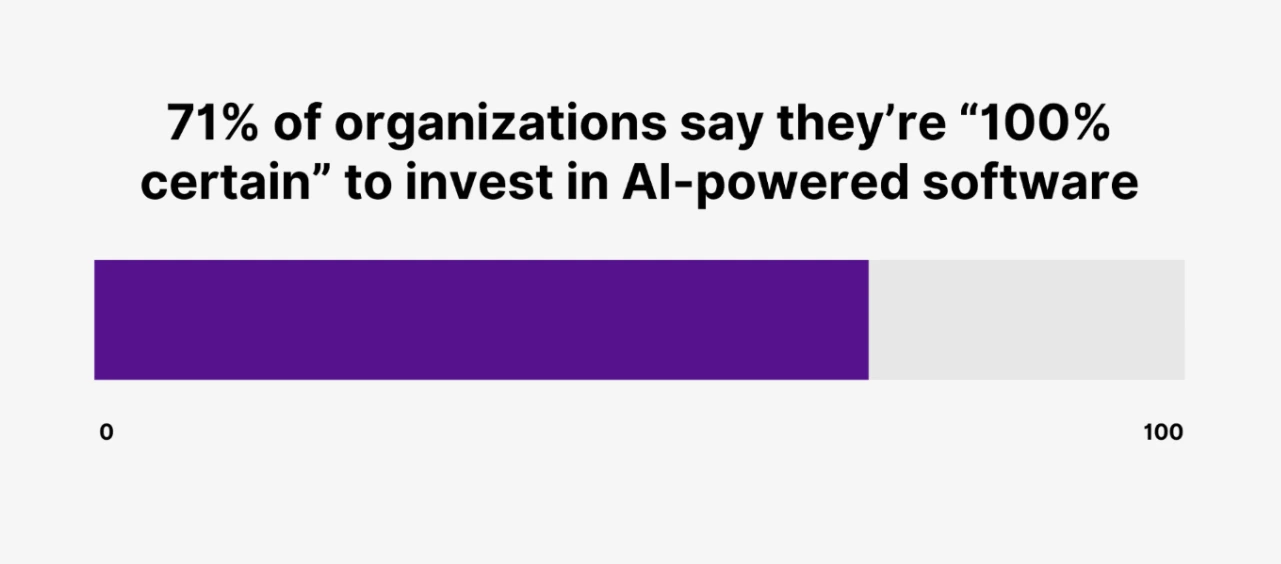 As businesses adopt more specialized tools, each new employee often requires access to a larger number of systems than in the past.
Software access is easy to overlook because each tool may look like a small line item. As companies adopt more specialized software, managing and monitoring important digital assets also becomes part of operational planning. For businesses concerned with protecting their brand identity, trademark monitoring software can help track potential trademark conflicts and support ongoing brand protection.
But once you add licenses, permissions, user seats, security checks, and the platforms people need to do their jobs properly, the setup becomes a real onboarding cost. Teams that work around trading tools or financial platforms also have to be careful with access levels, because the wrong permission can create risk fast.
Each tool may seem inexpensive on its own, but the costs add up as teams grow. Someone still has to create accounts, assign permissions, configure security settings, and make sure the engineer can access the resources needed for their work. If access is delayed or something is missing, onboarding can slow down quickly.
Documentation, Training, and Knowledge Transfer
One of the biggest challenges for any new engineer is learning how the company operates. Even highly skilled developers need context before they can make good decisions. They need to understand the product, the customers, the technology stack, past decisions, and the team's way of working.
Ákos Doleschall, Managing Director at Hustler Marketing says, “A new hire can’t perform well by only knowing their tasks. They also need to understand the audience, the goals behind the work, and how the team makes decisions. We see this in campaign work all the time. If someone does not understand the customer journey, messaging rules, or past test results, they may work hard but still move in the wrong direction.”
This knowledge usually comes from documentation, training sessions, and conversations with other team members. Clear notes, recorded walkthroughs, and simple process guides can reduce repeated questions and help new hires find answers faster.
Good documentation also protects the team’s time. Instead of asking a senior developer the same setup question again and again, a new engineer can check a guide and move forward. This makes onboarding less dependent on memory, availability, or one person explaining everything live.
A lot of delays happen because information is scattered. If examples, quality standards, and review processes are not documented, new team members spend too much time looking for answers. The same thing happens when people are managing media requests and tight publishing deadlines. Clear instructions help everyone move faster.
When documentation is incomplete, onboarding becomes slower. New engineers spend more time searching for information, asking questions, and trying to figure things out on their own. Small uncertainties can turn into delays that affect projects and deadlines.
Closing Thoughts
Hiring a remote engineer involves much more than paying a salary. During the first 90 days, companies invest time, tools, training, and support to help a new hire become a productive member of the team. Some of these costs are easy to see, while others stay hidden in meetings, onboarding sessions, documentation, and day-to-day guidance from experienced employees.
The good news is that these costs are often temporary. When onboarding is planned properly, new engineers can settle in faster and start contributing sooner.